7 Types of Specialty Yarns Every Fashion Textile Buyer Should Know

What Is Specialty Yarn?
Specialty yarn is a broad category of yarns developed to create distinctive visual effects, specific textures, enhanced elasticity, or functional properties in textile products.
Unlike standard yarns selected mainly for basic fabric construction, specialty yarns help textile manufacturers and fashion brands achieve more specific design and performance objectives.
Depending on the material, structure, and manufacturing process, specialty yarns can add metallic brilliance, dimensional texture, a smoother surface appearance, stretch, or other application-specific characteristics.
For fashion brands, knitwear manufacturers, textile mills, and sourcing teams, understanding the different types of specialty yarns is an important first step toward developing fabrics that stand out in the market.
At Tongyang Yarn, yarn selection and development start with the intended application, material preferences, structural requirements, and target performance. These factors help determine which yarn family is worth evaluating for a particular project.
7 Types of Specialty Yarns for Fashion and Textile Applications
1. Metallic Yarn: Adding Shine and Visual Contrast
Metallic yarn is used to introduce reflective effects and visual highlights into textile designs. Depending on its construction, it can create anything from subtle shimmer to a more pronounced metallic appearance.
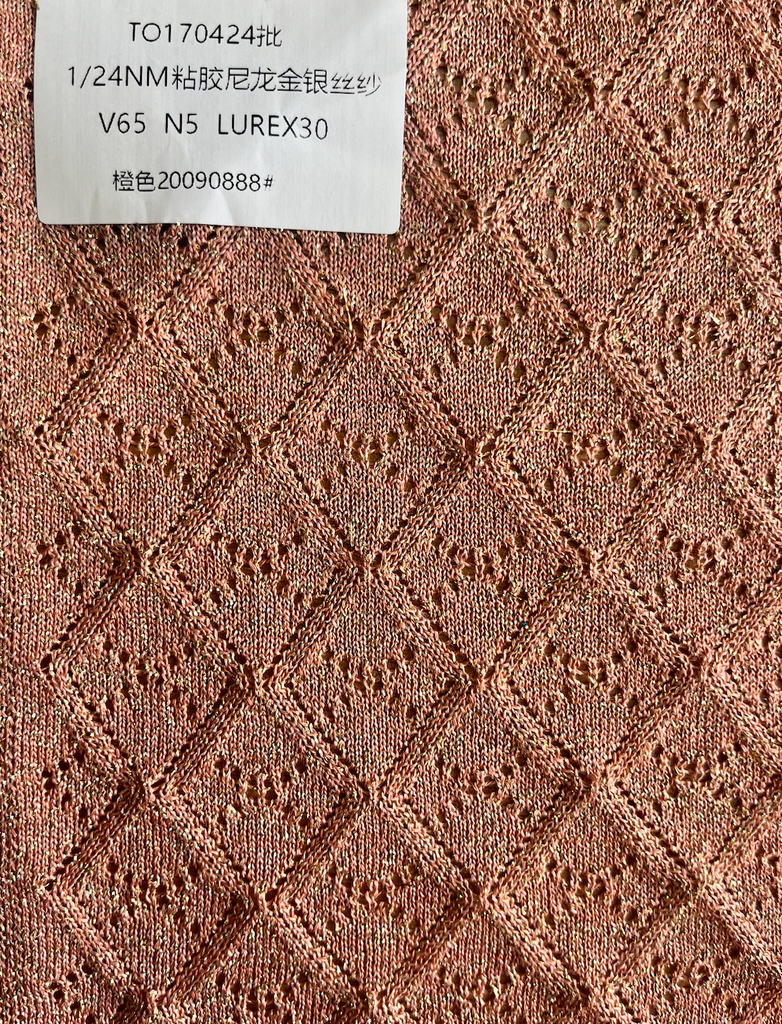
Type: V65 N5 LUREX30 Color: Orange (#20090888)
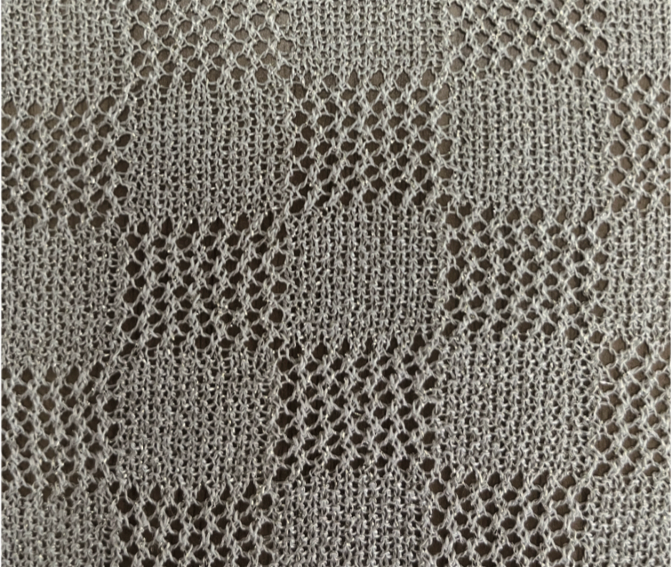
Type: V45 P44 Metallic 11 Color: Beige(#23121518)
Typical applications include:
- Fashion knitwear and sweaters
- Decorative fabrics
- Fashion accessories
- Selected home textile products
What buyers should consider
When sourcing metallic yarn, evaluate the required shine level, yarn construction, compatibility with the intended knitting or weaving process, and the effect after fabric finishing.
A yarn that looks attractive on a cone may behave differently when knitted or woven. Sampling under the intended processing conditions helps buyers assess both appearance and production suitability.
2. Crystal Yarn: Creating a Distinctive Decorative Effect
Crystal yarn is a product-specific term that may refer to yarns designed to create a crystal-like or distinctive decorative appearance. Its exact visual effect depends on the actual yarn construction and product specification.
TONGYANG YARN CRYSTAL YARN SeRIES
Add sparkle and elegance to your creations with our Metallic Yarn Series. Fully customizable in blend, color, and finish, our gold and silver yarns are perfect for fashion, home textiles, embroidery, and decorative crafts.
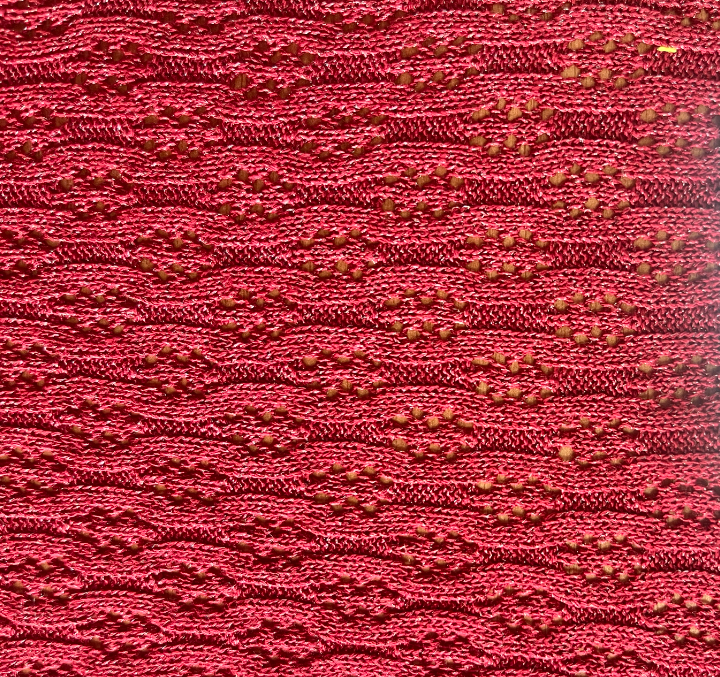
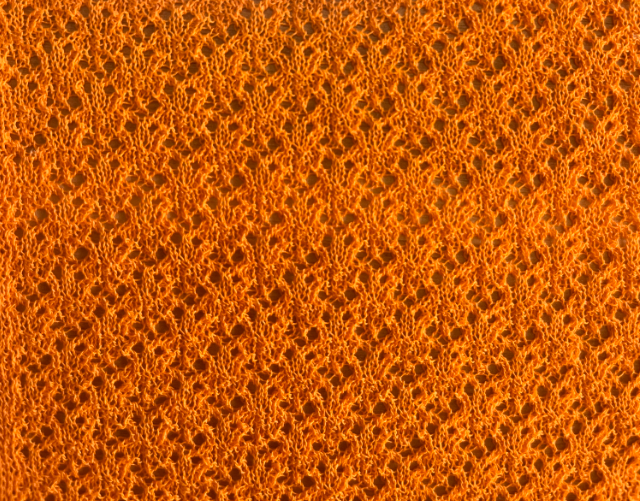
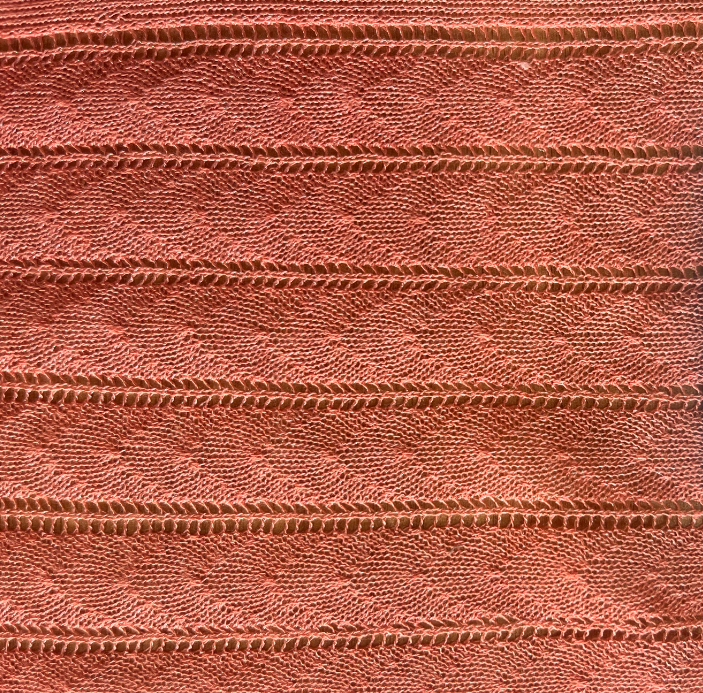
For fashion and textile buyers, the key question is how the yarn will appear in the finished fabric rather than how it looks in isolation.
Potential applications include:
- Decorative knitwear
- Fashion fabrics
- Statement garments
- Accessories requiring a distinctive surface effect
What buyers should consider
Request clear product photographs, physical samples, and details of the construction. If the design depends on a particular level of sparkle, transparency, texture, or light reflection, define that requirement before sampling.
Always confirm the supplier’s product definition and specifications rather than assuming all products sold as crystal yarn have the same characteristics.
3. Dual-Curve Yarn: Evaluating Specialized Yarn Structures
Dual-Curve yarn is a specialized product term whose precise meaning should be confirmed against the manufacturer’s product definition. Buyers should establish how the construction creates the intended visual or structural effect before specifying it in a collection.
TONGYARN DUAL-CURVE YARN
sale!
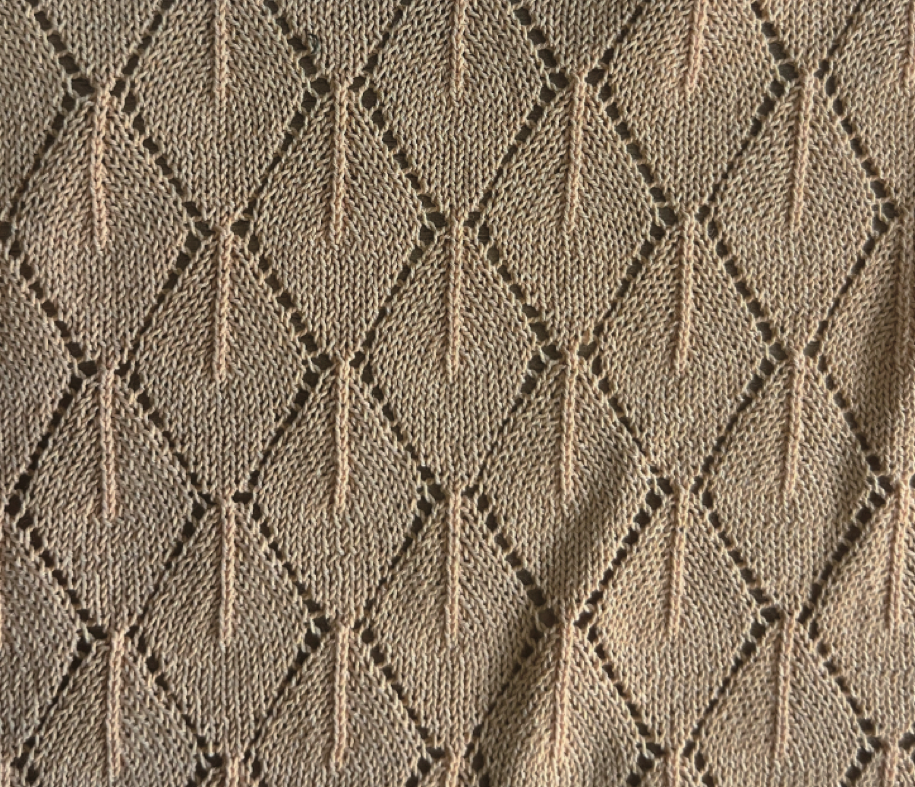
For product development teams, a named yarn structure is useful only when its behavior and finished-fabric results are clearly understood.
What buyers should consider
- The actual yarn construction
- Surface appearance and texture
- Compatibility with the target knitting or weaving process
- Fabric stability and consistency
- Suitability for the intended end product
For this type of yarn, a technical discussion and sample review are particularly valuable. The supplier should explain the construction in terms that the design, sourcing, and production teams can evaluate.
4. Blended Yarn: Balancing Material Characteristics
Blended yarn combines two or more fiber types to achieve a particular balance of properties. The outcome depends on the fibers used, their proportions, and the yarn construction.
Craft a captivating title for this section to attract your audience.
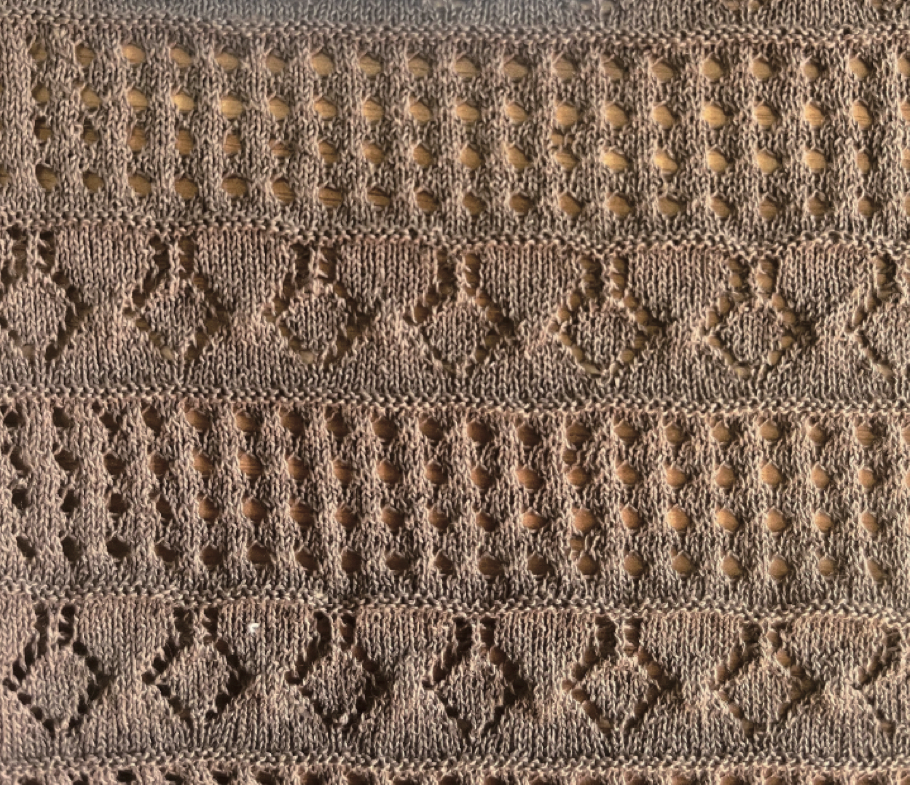
1/30 NM
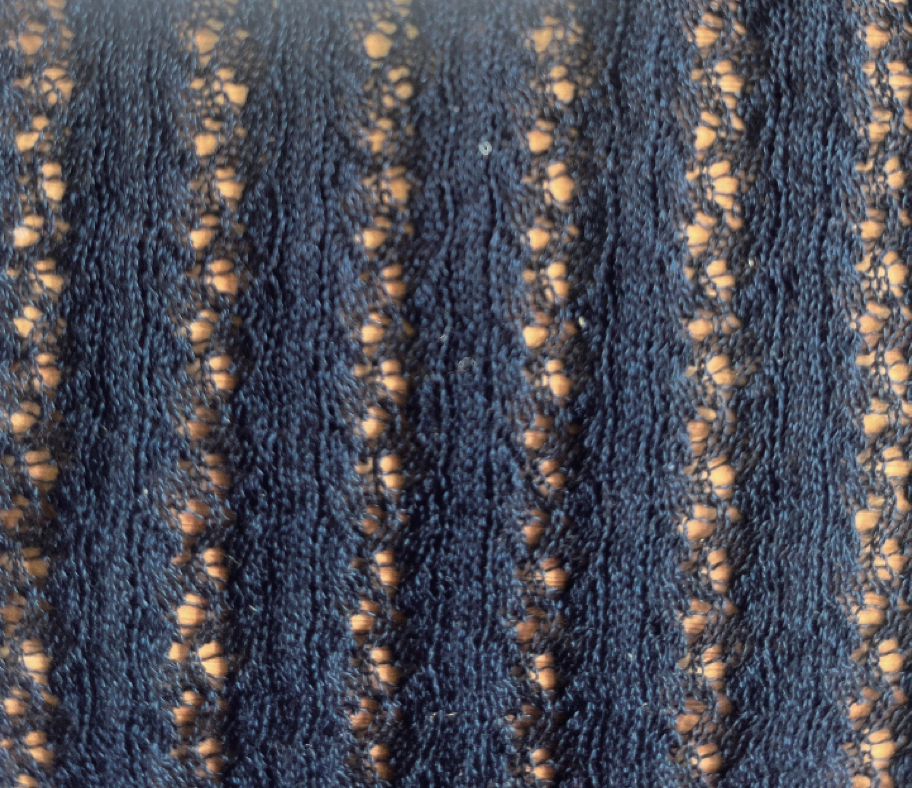
1/24 NM
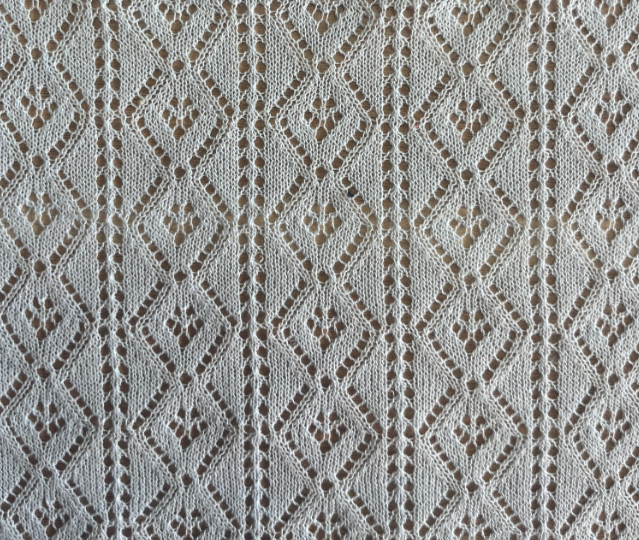
1/24 NM
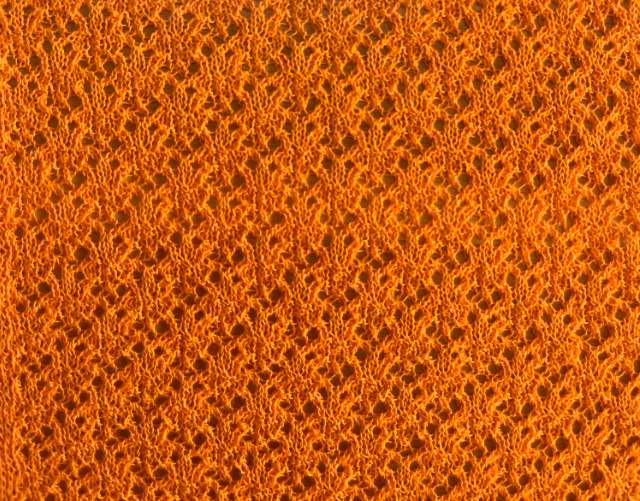
1/35 NM
Common examples across the textile industry include polyester-cotton, wool-acrylic, and other fiber combinations.
Potential advantages include:
- Balancing softness, strength, and durability
- Adjusting the appearance and hand feel of a fabric
- Meeting specific processing requirements
- Developing materials for different price and performance targets
What buyers should consider
Start with the properties that matter most to the finished product. A knitwear collection may prioritize softness and warmth, while another application may place greater emphasis on dimensional stability or abrasion resistance.
Ask the supplier to confirm the fiber composition, yarn count, construction, and any relevant performance data. The right blend should meet the actual product requirements rather than simply follow a general material trend.
5. High-Gloss Yarn: Achieving a Smooth, Lustrous Appearance
TONG YANG HIGH-GLOSS YARN SERIES
High-gloss yarn is selected when a textile design calls for a pronounced sheen or a visually smooth surface
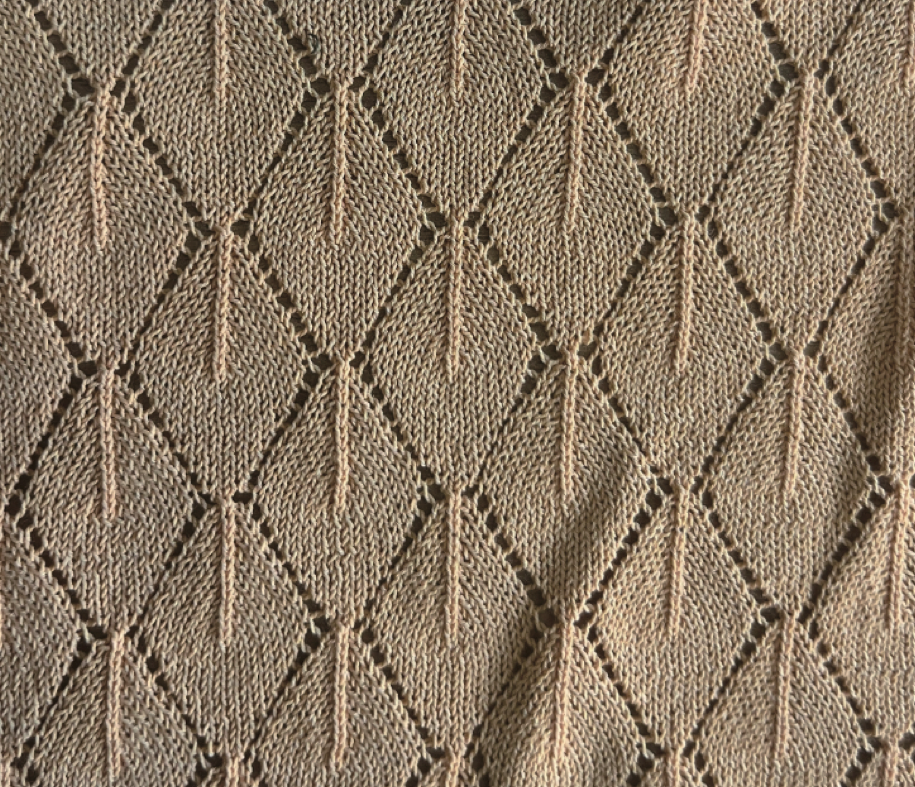
Viscose & Polyester Yarn
Type: P50 V50
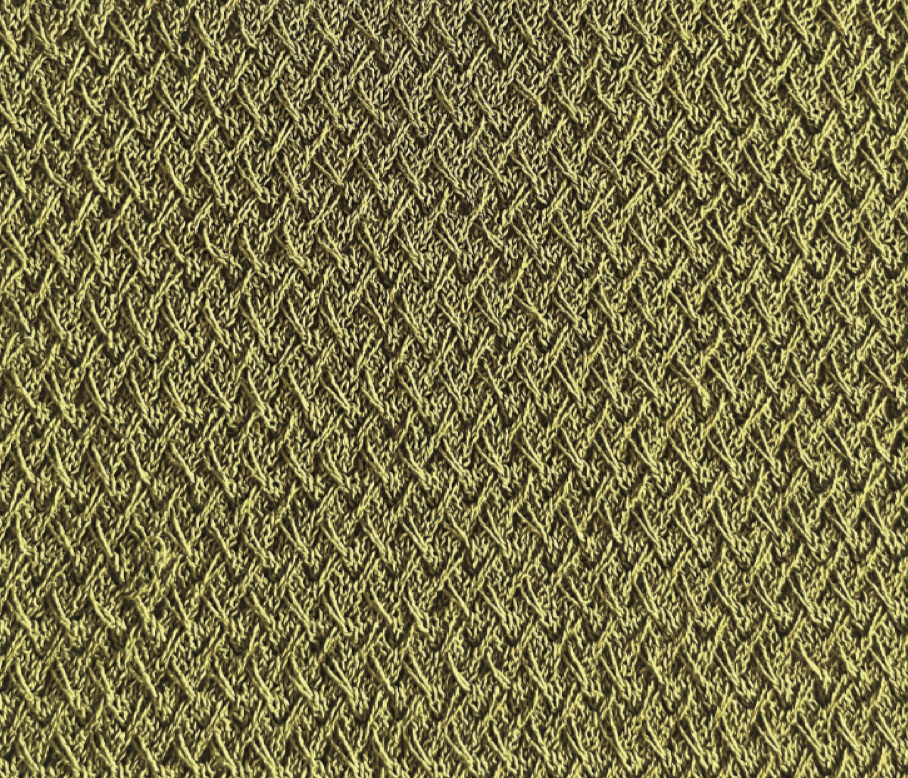
Viscose & Polyester Yarn
Type: P53 V47
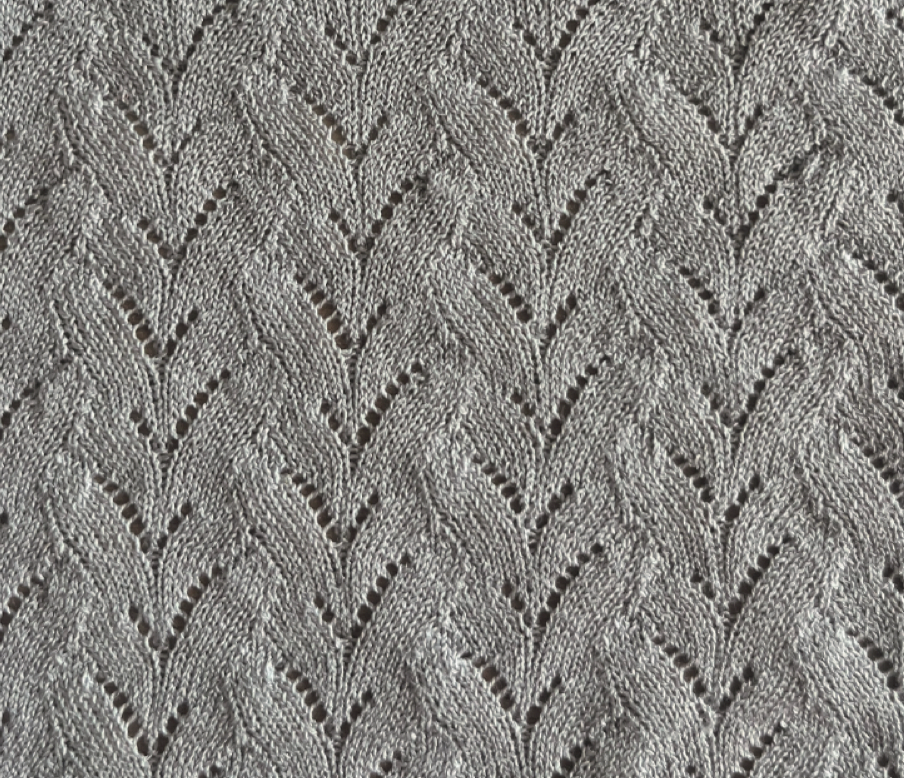
Viscose & Polyester Yarn
Type: P60 V40
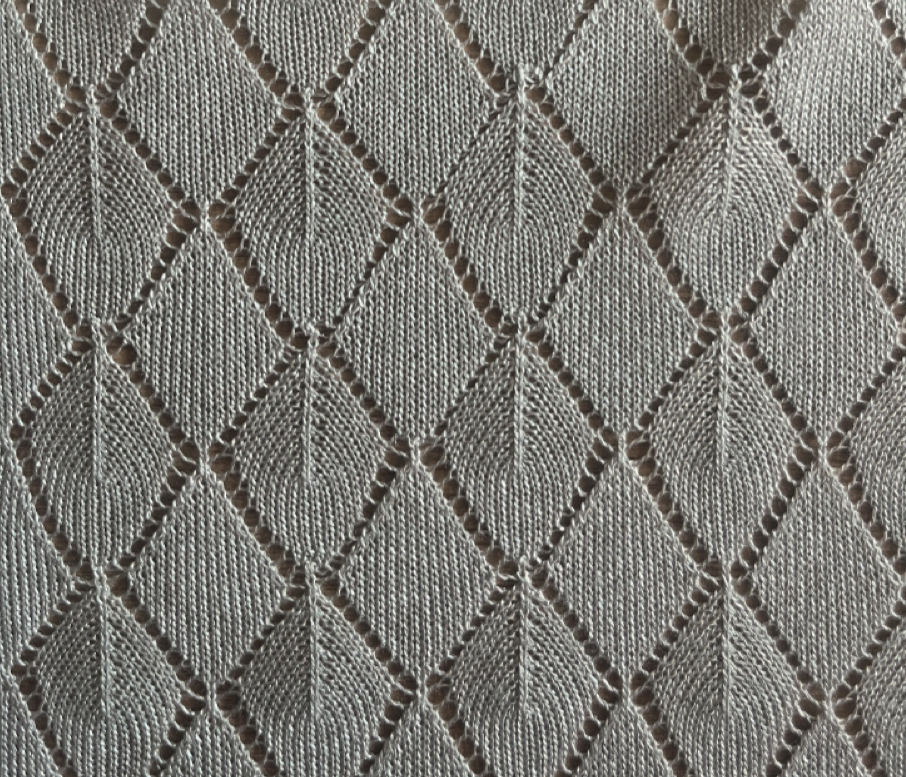
Viscose & Polyester Yarn
Type: RE-P50V50
The final appearance depends on factors such as fiber type, filament characteristics, yarn structure, fabric construction, color, and finishing.
Potential applications include:
- Fashion knitwear
- Decorative textiles
- Fashion accessories
- Fabrics requiring a lustrous surface
What buyers should consider
Define the desired level of gloss using a physical reference sample whenever possible. Also evaluate how the yarn looks under different lighting conditions and after the intended fabric process.
A high-gloss appearance should be assessed alongside hand feel, fabric drape, and processing performance. Visual appeal alone does not guarantee suitability for the finished product.
6. Elastic Yarn: Supporting Stretch and Recovery
Elastic yarns are used when a textile product requires stretch, flexibility, or recovery after deformation. Their performance depends on the elastic component, yarn construction, fabric structure, and processing conditions.
An engaging product or feature headline here
Write a short descriptive paragraph about your product. Focus on your ideal buyer. Entice with benefits of using your product.
sale!
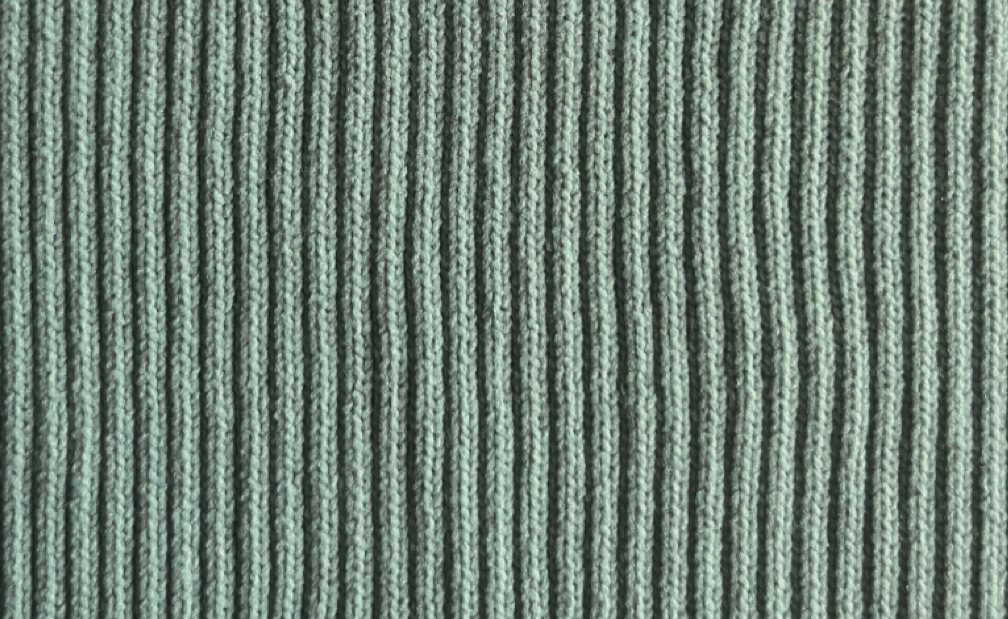
Potential applications include:
- Stretch knitwear
- Sportswear
- Fitted garments
- Selected fashion accessories
What buyers should consider
Stretch and recovery are not the same measurement. A fabric may stretch readily but fail to recover its original dimensions adequately.
Before selecting an elastic yarn, clarify the target stretch, recovery requirements, fabric construction, machine compatibility, and intended wearing conditions.
Where performance is important, test the yarn in the actual or representative fabric structure. Confirm the relevant test method and acceptance criteria with the supplier.
7. Functional Yarn: Addressing Application-Specific Requirements
Functional yarn is a broad category covering yarns developed to provide particular properties beyond basic textile construction.
Type: EVR82 N18 P12
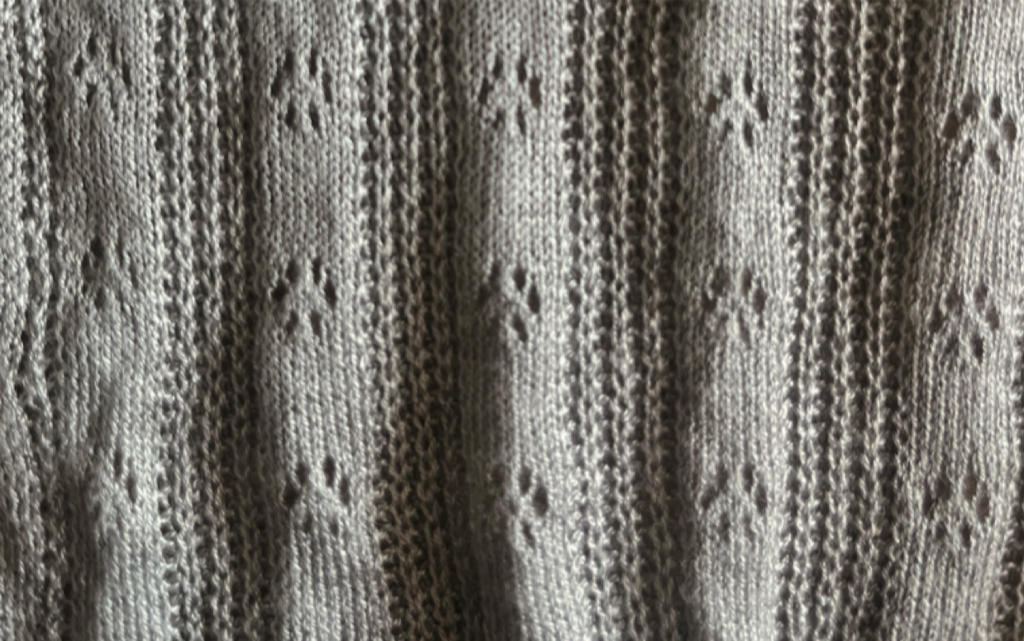
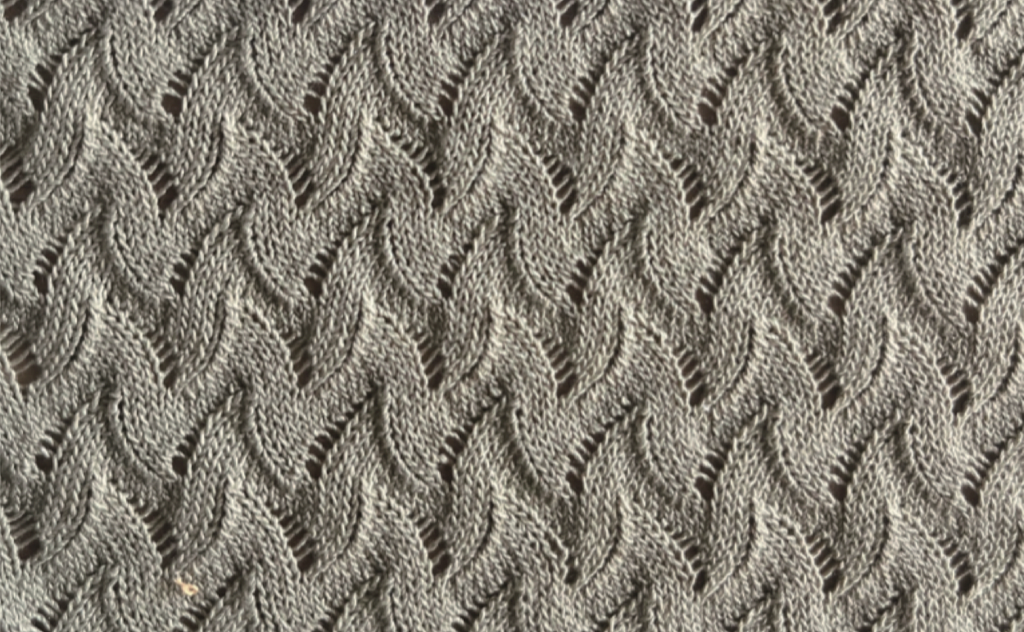
Type: V82 STEEL 18
Depending on the material and design, these properties may include elasticity, resilience, antistatic behavior, UV stability, or resistance to specific environmental conditions.
Not every functional yarn provides all these properties. Performance must be verified for the particular product and application.
Potential applications include:
- Sportswear and performance apparel
- Technical textiles
- Protective textile products
- Industrial textile applications
What buyers should consider
Begin by identifying the performance requirement, operating environment, applicable test method, and required service life.
For example, a buyer sourcing yarn for an antistatic application should specify the relevant electrical performance criteria instead of requesting a generic functional yarn.
Technical documentation and application-specific testing help establish whether a particular yarn is suitable.
How to Compare Different Types of Specialty Yarns
| Yarn type | Main selection objective | Key evaluation points |
|---|---|---|
| Metallic yarn | Reflective visual effects | Shine, construction, processing compatibility |
| Crystal yarn | Distinctive decorative appearance | Verified product definition, surface effect, sample |
| Dual-Curve yarn | Specialized structural or visual effect | Construction, processing, finished-fabric result |
| Blended yarn | Balance of fiber properties | Composition, hand feel, durability, cost |
| High-gloss yarn | Lustrous surface | Gloss level, drape, finishing behavior |
| Elastic yarn | Stretch and recovery | Elasticity, recovery, fabric stability |
| Functional yarn | Application-specific performance | Target property, testing, operating conditions |
These categories may overlap. A yarn can combine multiple visual or functional characteristics, so buyers should evaluate the actual construction rather than relying on the category name alone.
How to Choose the Right Specialty Yarn for Your Collection
Selecting a specialty yarn is easier when the decision starts with the finished product.
Step 1: Define the design objective. Determine whether the collection needs shine, texture, softness, stretch, or a particular technical property.
Step 2: Identify the manufacturing process. Specify whether the yarn will be knitted, woven, or used in another process. Machine and fabric requirements can affect yarn suitability.
Step 3: Confirm material and specifications. Share the required fiber composition, yarn count, color, construction, and any relevant performance targets.
Step 4: Request samples. Compare candidate yarns in the intended fabric construction wherever possible.
Step 5: Evaluate production feasibility. Confirm processing performance, quality expectations, and the requirements for repeat orders before moving to bulk production.
Why Work with a Specialty Yarn Manufacturer?
Working directly with a specialty yarn manufacturer can help buyers connect design requirements with material selection, yarn construction, sampling, and production planning.
Tongyang Yarn supports yarn development based on application needs, material preferences, structural requirements, and target performance. Its product portfolio includes decorative, natural, synthetic, regenerated, functional, and custom yarn solutions.
For buyers developing a new textile collection, this application-led approach helps turn a visual reference or technical brief into a more clearly defined yarn development project.
Explore the Tongyang Yarn product portfolio to review the available yarn families.
Frequently Asked Questions
What is the difference between specialty yarn and fancy yarn?
Specialty yarn is a broad term that can include yarns developed for distinctive appearance, texture, performance, or specialized applications. Fancy yarn generally emphasizes decorative effects and distinctive structures. The terminology can overlap, depending on the manufacturer and market.
How do I choose a specialty yarn supplier?
Evaluate the supplier’s product range, technical communication, sampling capabilities, quality management, and ability to support your intended production process. Request samples and verify relevant specifications before placing a bulk order.
Can specialty yarn be customized?
Customization may be possible depending on the required material, construction, equipment, and production feasibility. Share a reference sample, image, specification, or end-use description so the manufacturer can evaluate the development requirements.
What information should I provide when requesting a specialty yarn sample?
Provide the intended application, target yarn type, fiber composition, yarn count, color, construction requirements, estimated quantity, and any specific appearance or performance targets. Reference samples are helpful when developing a distinctive effect.
Develop Your Next Textile Collection with Tongyang Yarn
The right specialty yarn can help translate a design concept into a practical textile solution. The best starting point is a clear understanding of your target appearance, material requirements, and manufacturing process.
Planning a new textile collection or looking for a custom yarn solution?
Contact Tongyang Yarn with your project requirements to discuss suitable yarn options and sampling possibilities.